How I Travel As Sustainably As Possible*
So I know this is a bit of a weighted topic and everyone will have an opinion but I thought I would share my thoughts. In an ideal world we would sail, walk and cycle everywhere creating zero emissions but the reality is that that’s not always possible and whether it’s for work or pleasure travel is necessary.
I recently went to Ibiza for a family holiday. Ibiza is a special place for my family - we went there last year for a week and also my brother got married there and naturally you have to fly there. For my full post on where I love there see >Here<
There are a few habits I stick to that offload some of the emissions and I thought I would share them here:
Seek Out Vegan Food and Restaurants
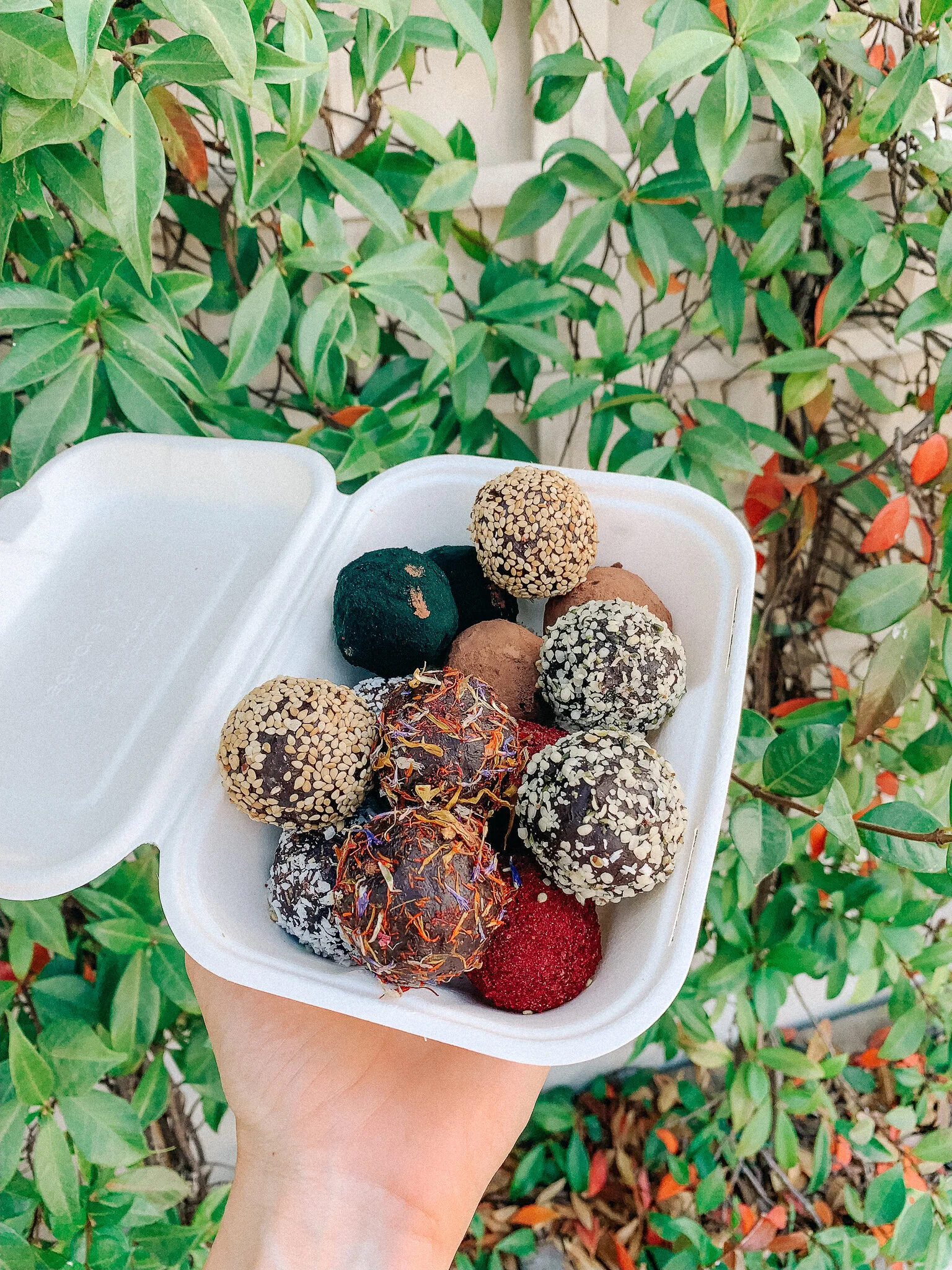
No one in my family is vegan and we are all complete foodies. This has been really fundamental in my recipe development as everything I test has to pass their critiques before I consider sharing online. Apologetic vegan or healthy options won’t cut it - everything has to be delicious- so it presents a good benchmark to reach for when I create recipes. On two of the nights there I cooked vegan dinners in our Villa and one day we went to a vegan cafe ‘Wild Beets’
The food was totally delicious and given that veganism is the single biggest way to reduce our environmental impact it’s a small positive change and a nice way to reduce the emissions travel creates. With Apps like Happy Cow or Yelp it’s easy to find vegan friendly places abroad. I also ask for recommendations and check everything out on Instagram before making the journey.

Bring a reusable coffee cup and water bottle
I always bring a reusable water bottle and coffee cup away - short or long haul. Our villa had a filter tap so I just filled that up everyday if we were going out and over the course of the week potentially saved about 10 bottles. I also bought a reusable coffee cup. The Happy Pear is now in Dublin airport which is brilliant and I used it for my coffee on the way and through the week.
I also save the plastic bags that you need to keep your liquids in to bring on the plane - I just fold them up in my washbag and have used the ones I have currently several times. I also bring my own snacks with me so as not to buy items wrapped in plastic in the airport whenever possible.

Use Natural Products
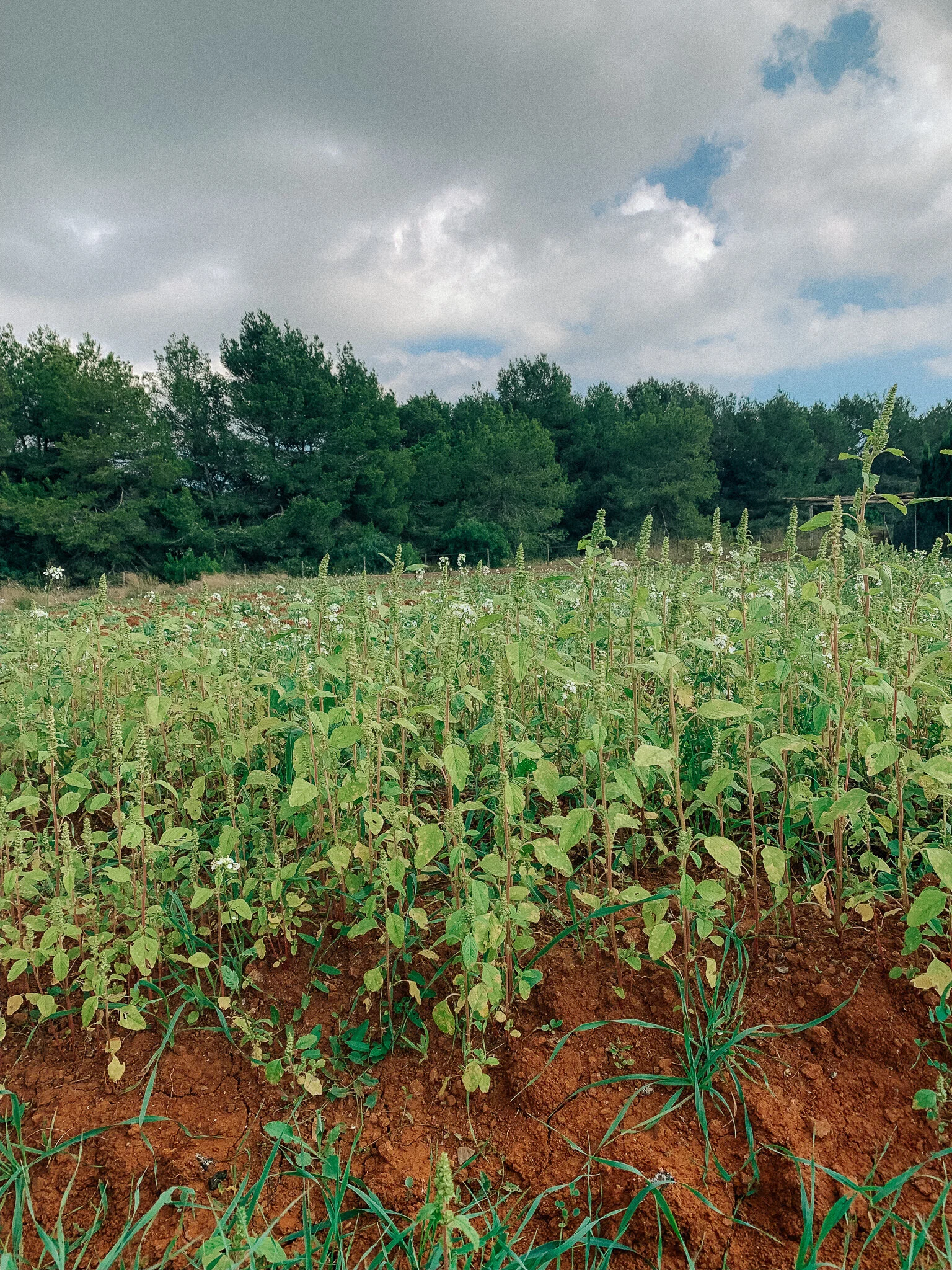
Did you know that we have only 60 years left until the farmable soil on this planet ceases to exist in most places? It’s true. According to UN officials, at current rates of depletion, we will be unable to grow food in 60 years. There’s a fascinating documentary on both the problem and the solution which you can watch >Here<
Natural products especially those with organic ingredients support organic farming which has a regenerative effect on the earth but also it’s important to remember that all products will end up in our eco system in some way, whether it’s down the drain rinsing them off or disposing of when we are finished.
Healthy soil can help us save water, grow nutrient-dense foods, reduce toxic chemical exposure, rebuild ecosystems, and even reverse climate change. And, it’s doable.
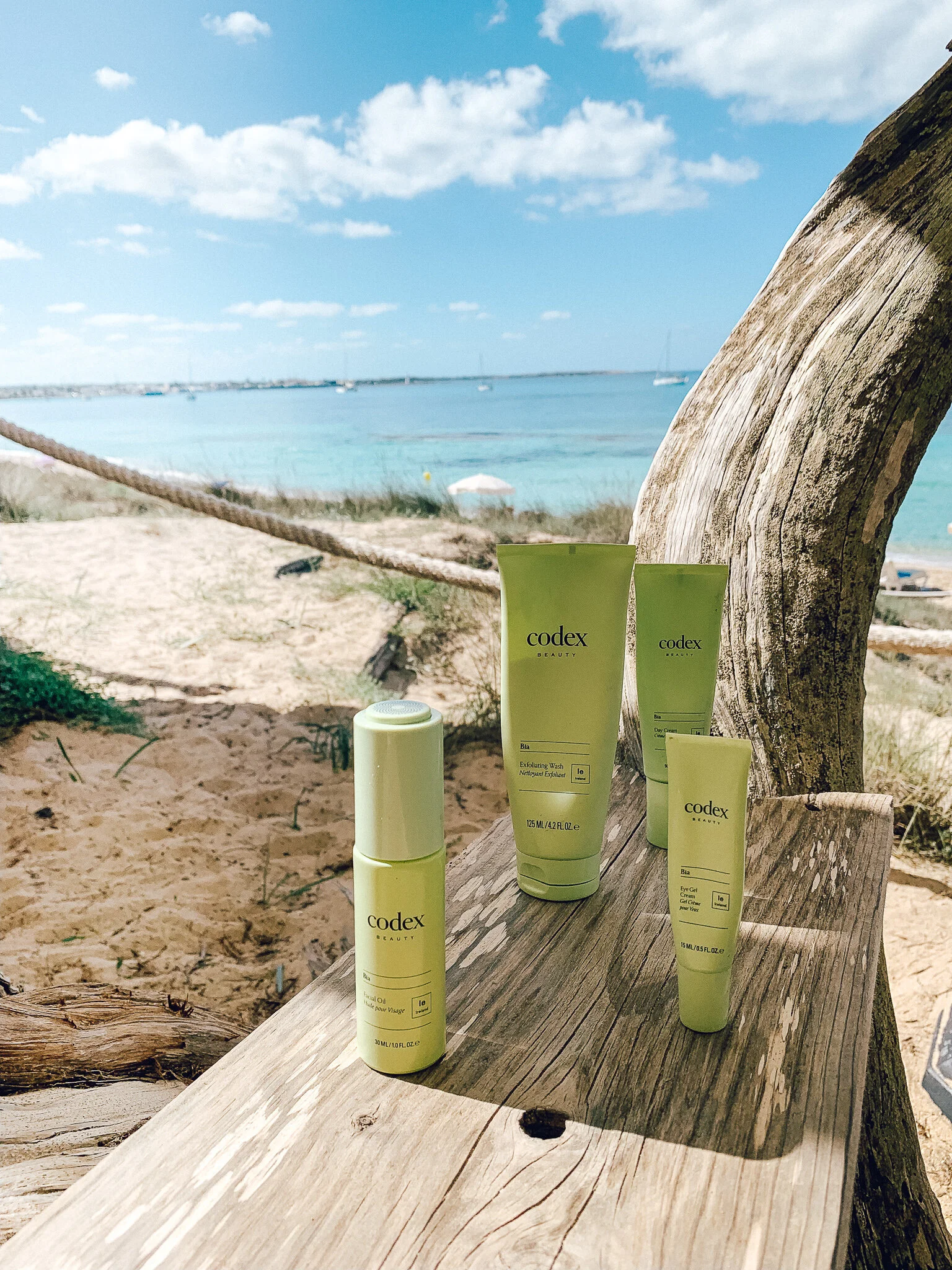
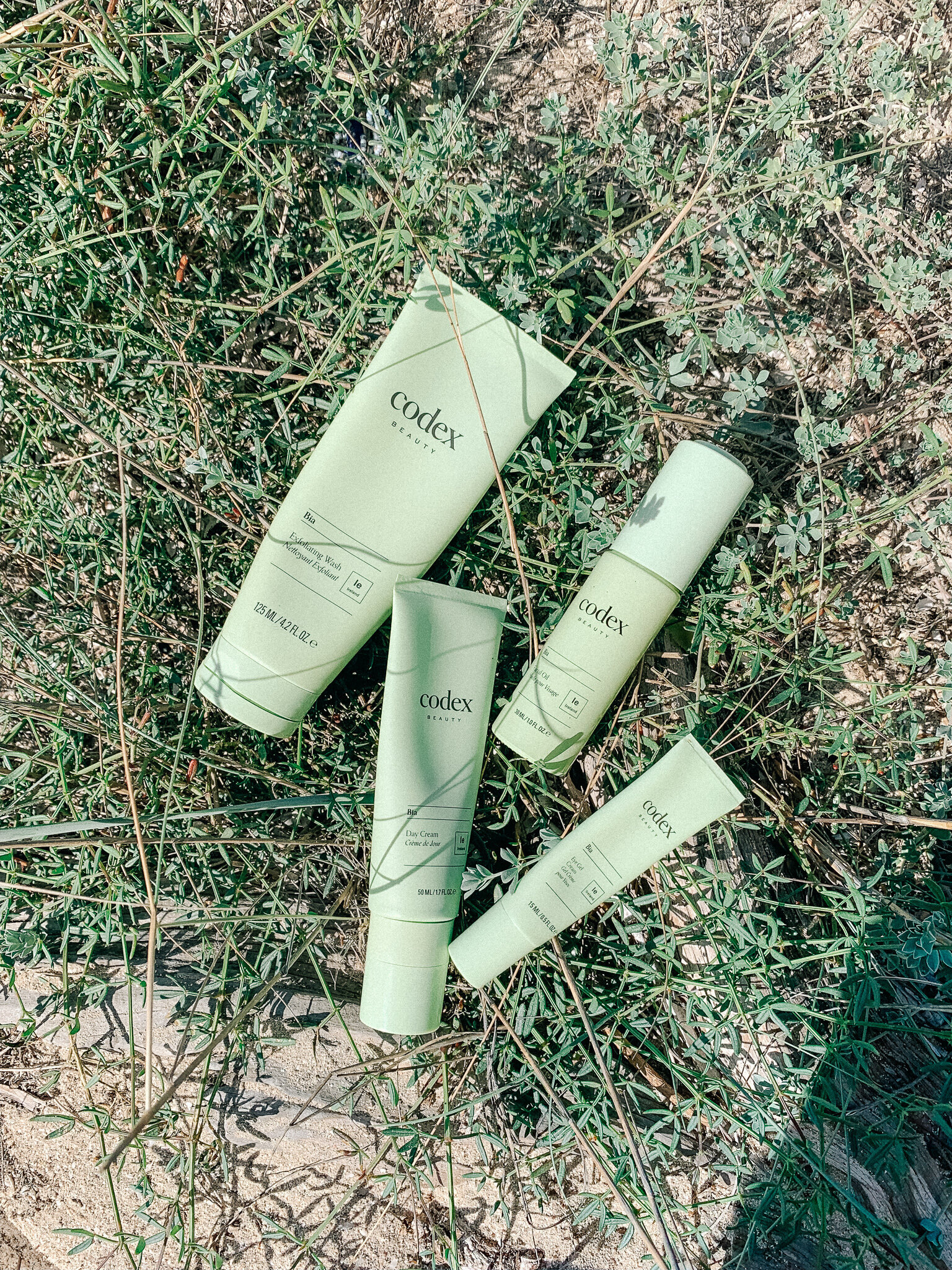
Codex Beauty is built on the basis of harnessing natural ingredients using regenerative organic farming. The range is also blissfully simple, yet effective. I love the Exfoliating Facial Wash as it’s deeply cleansing but also very gentle. On holidays I naturally wear more SPF and taking this off is essential at the end of the day and this worked perfectly. I usually do a double cleanse just to be sure all products are removed.
Minimise your baggage weight with multi-use products
I was a crazy-bad over packer but the fact that not only are you charged more for heavier bags, the plane also needs more fuel has made me re-think this and become a bit more practical.
"Anytime we can reduce even an ounce of weight, that means we burn less fuel to fly to that destination," said Aaron Stash, United's head of environmental strategy and sustainability. "Even an ounce, because if you are multiplying that across the thousands of seats and the thousands of flights we have, that ounce adds up and multiplies very quickly." Source
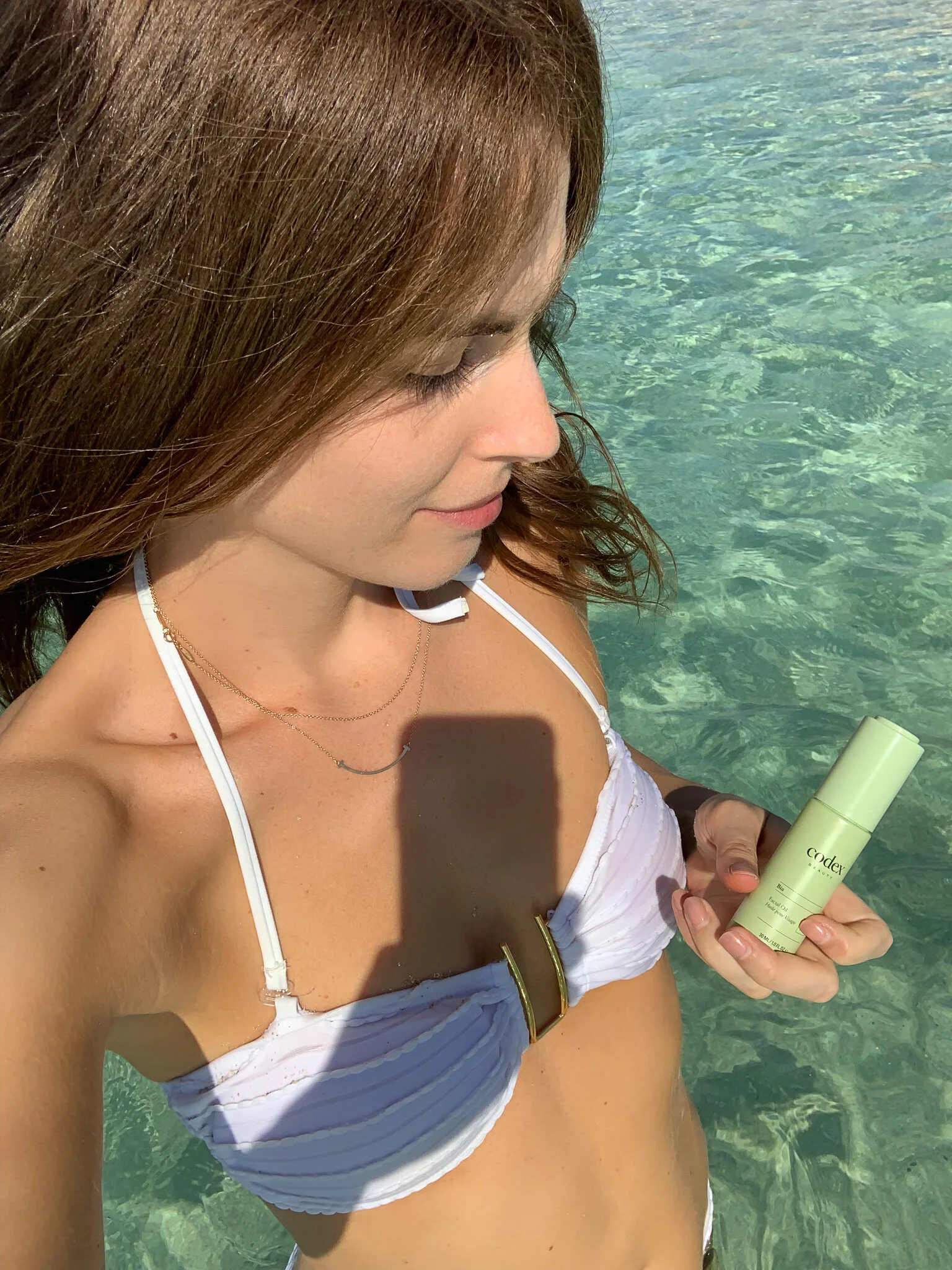
My beauty products tend to be one of the heaviest items so I look for multi-use products and have simplified my skincare hugely. I used to love the idea of a wall of lotions and potions, but now aspire towards a more minimal approach. Products like the Codex Beauty Facial oil are multi-use. I use mine as a facial oil, primer, hair serum, cuticle oil and apply to any dry skin also.
Research where you are staying
If you plan to stay in a hotel, choose a place that holds itself to high environmental standards. These should be certified by a third party, such as Rainforest Alliance or the Global Sustainable Tourism Council which serve as guidance for travellers and travel providers in choosing suppliers and sustainable tourism programs. Find out who owns the hotel and choose one whose owner is local, as opposed to a large foreign corporation; that way you know a greater portion of the profits will stay in the community. Alternatively consider alternative forms of accommodation such as AirBnB.

Avoid Any Attraction That Uses Animals For Profit
Although not strictly falling into the sustainable bracket it goes without saying that any tourist attraction where animals are used for profit is not something I would support. This includes photos with chained animals, baby tigers, snakes, monkeys and so on, elephant trecking, swimming with dolphins, bullfighting, horse drawn carriages, aquariums or zoos. For more information on this see >Here< If you want to observe animals, consider visiting or volunteering at an accredited sanctuary.

Shop Local and Consider Your Souvenirs
An ethical and sustainable souvenir is categorised by a few factors:
First, it is locally produced. When you purchase an item from a local artisan, you are not only supporting the local economy, but you are also supporting generations of cultural heritage. This is important in today's globalised world where many small artisans can not compete with mass-produced, cheap items from international companies.
Second, the souvenir is not made from environmentally unfriendly sources. This includes items made from exotic woods or endangered animals that are often exploited.
Third, the souvenir has a use-value. Purchasing something practical that you will use often reduces waste, in turn reducing your environmental impact. Another option for a practical souvenir is something consumable like food and beverages, especially if they are unique to the region. Source

*Thank you to Codex Beauty for collaborating with me on this piece.
Codex is certified by The Vegan Society and Leaping Bunny awarded to companies that adhere to strict and provable animal-cruelty free parameters. See CodexBeauty.com for more information.